



As the global community grapples with the mounting crisis of packaging waste, governments and organizations are introducing robust measures to curb environmental damage and foster sustainable practices. In a significant move, new packaging waste management rules have been proposed, with implementation slated for April 1, 2026. Here’s a comprehensive look at the implications and objectives of these transformative regulations.
Introduction
As our planet faces an alarming rise in packaging waste, the call for change has never been more urgent. Every year, millions of tons of plastic and other materials end up in landfills and oceans, threatening wildlife and ecosystems. Governments worldwide are waking up to this crisis, implementing measures designed to foster sustainable practices and reduce environmental harm. Among these initiatives is a groundbreaking set of new packaging waste management rules that will take effect on April 1, 2026. These regulations promise to reshape how we think about production, consumption, and waste—ushering us into a new era of responsibility where sustainability becomes not just desirable but essential.
The Indian Initiative: Extended Producer Responsibility (EPR) Rules, 2024
India’s Ministry of Environment, Forest, and Climate Change has unveiled the draft Extended Producer Responsibility (EPR) Rules, 2024, aimed at overhauling the country’s packaging waste management framework. Notified on December 6, 2024, these rules are part of a larger strategy to:
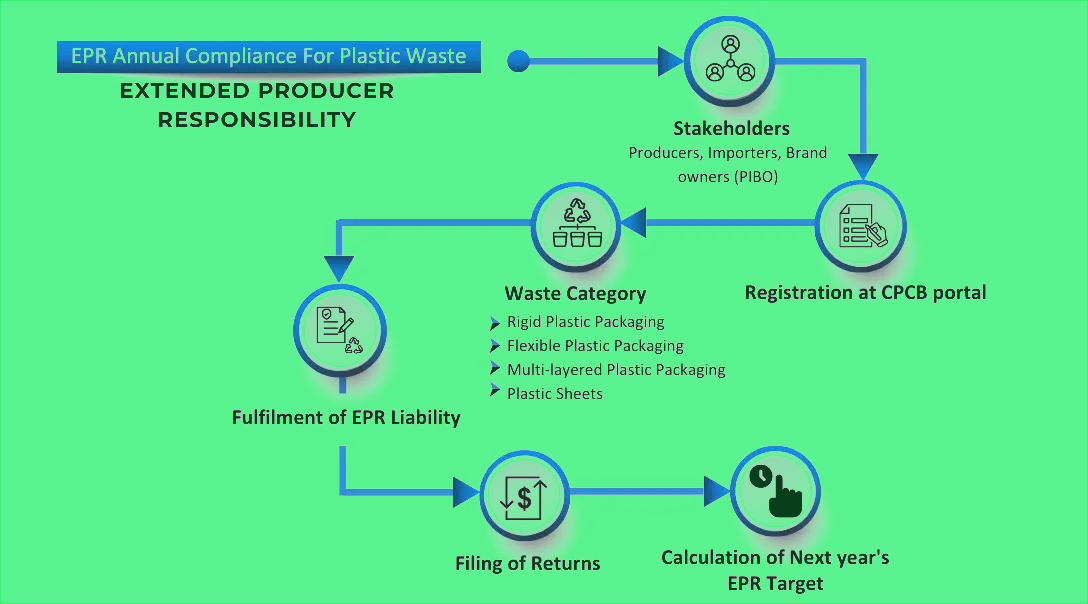
- Hold producers accountable: Producers will be responsible for the lifecycle of their packaging materials, from production to disposal.
- Emphasize recycling: A significant focus will be on reducing waste by improving recycling processes.
- Encourage sustainability: Producers will be incentivized to adopt sustainable packaging practices and contribute to a circular economy.
- Provide incentives for eco-friendly practices: Incentives for adopting eco-friendly materials and innovative recycling technologies are included to help industry players transition toward greener practices.
These regulations align with the Plastic Waste Management Rules and support the Swachh Bharat Mission by addressing India’s unique waste challenges and involving both formal and informal sectors in recycling efforts.
Global Efforts to Address Packaging Waste
European Union: Ambitious Recycling Targets
The European Union is advancing its Packaging and Packaging Waste Regulation (PPWR), which is poised to become a landmark in waste management. The regulation seeks to:
- Promote high-quality ‘closed-loop’ recycling, reducing the need for primary natural resources.
- Set ambitious recycling and waste reduction targets to mitigate environmental harm.
These efforts underscore the EU’s commitment to creating a sustainable and resource-efficient economy.
United States: Shifting Responsibility to Producers
Several states in the U.S. have enacted Extended Producer Responsibility laws for packaging. These laws aim to:
- Reduce environmental impact: By mandating producers to manage the disposal of packaging materials.
- Shift financial responsibility: The cost of waste management transitions from taxpayers to producers.
This approach not only incentivizes sustainable practices but also alleviates the financial burden on municipalities.
The Current Global Crisis of Packaging Waste
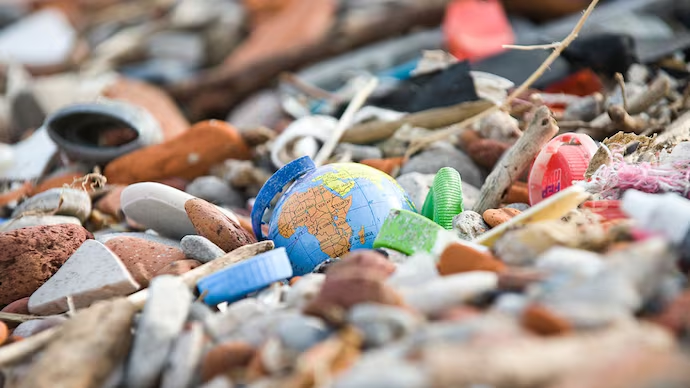
Packaging waste has become a pressing global issue, affecting ecosystems and urban landscapes alike. Each year, millions of tons of plastic end up in landfills and oceans, posing threats to wildlife and human health. As consumerism grows, so does the demand for packaging, leading to unsustainable production practices that exacerbate environmental degradation.
Public awareness is slowly increasing, but it’s not enough. Countries grapple with rising waste levels while struggling to manage recycling systems effectively. Collaboration between governments, businesses, and consumers will be crucial in addressing this multifaceted crisis before it’s too late.
The Broader Implications
The proposed rules and global initiatives reflect an urgent need for comprehensive strategies to tackle packaging waste. They aim to:
- Encourage innovation: Producers are motivated to develop eco-friendly packaging solutions.
- Reduce landfill dependency: Recycling and reusing materials mitigate the strain on landfills.
- Foster a circular economy: Resources are utilized efficiently, minimizing waste and maximizing value.
Additionally, Producers, Importers, and Brand Owners (PIBOs) will need to submit regular reports on their waste management initiatives and recycling compliance. This ensures transparency and enables monitoring of progress toward creating a cleaner and more sustainable environment.
What Lies Ahead?
The packaging waste management rules, set to take effect on April 1, 2026, mark a critical step towards sustainability. However, their success will depend on effective implementation, collaboration among stakeholders, and public awareness. As nations move towards stricter regulations, the hope is to create a global ecosystem where environmental preservation and economic growth go hand in hand.
By embracing these changes, we can envision a future where packaging waste becomes a thing of the past, and sustainability becomes the norm.